
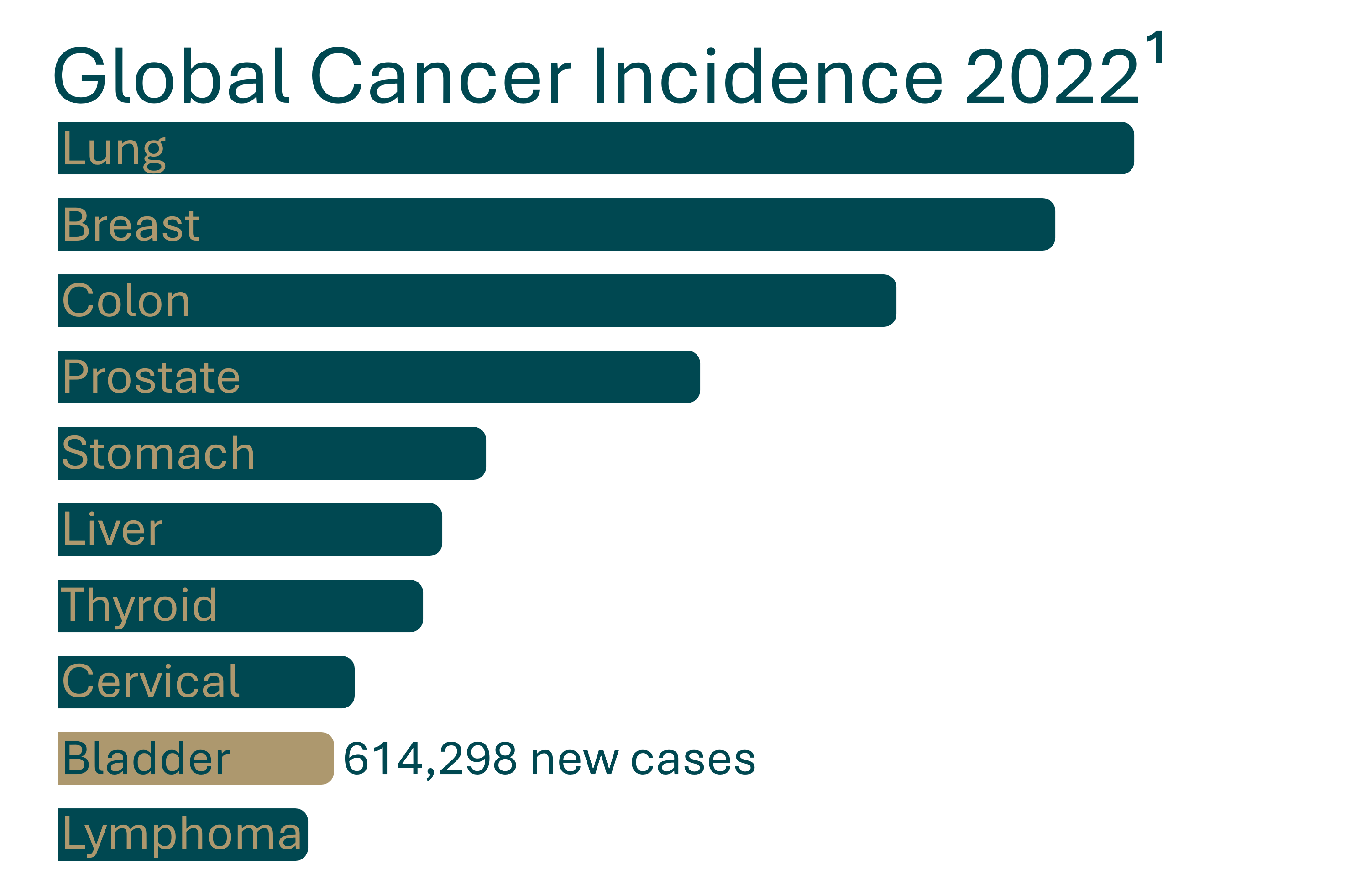
A study by the International Agency for Research on Cancer estimated in 2022 there were over 600,000 cases of bladder cancer worldwide moving it from 10th to 9th most common cancer worldwide.
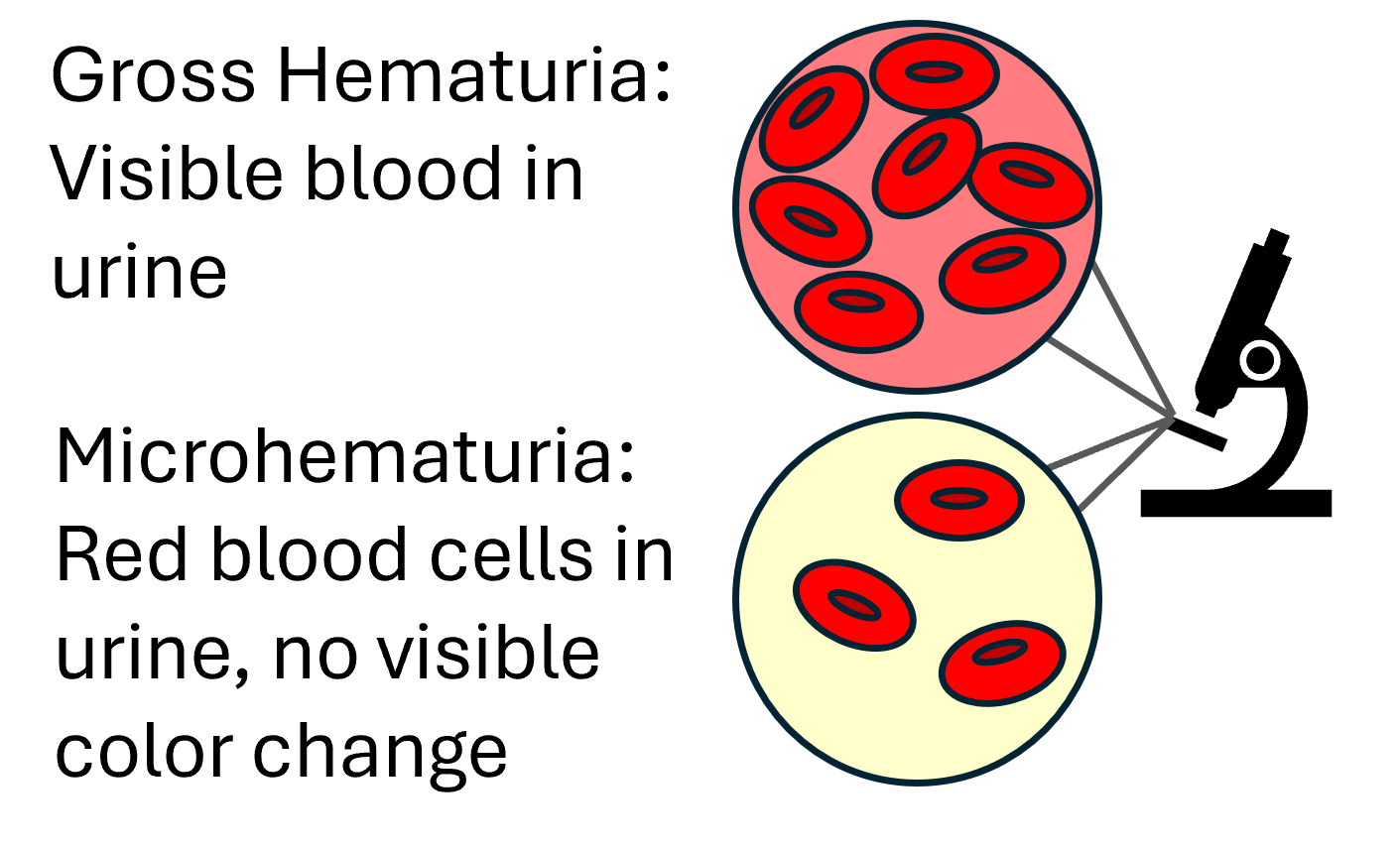
The first sign of bladder cancer is usually blood in the urine or hematuria. While bladder cancer is not the only thing that causes bloody urine, it is one of the first signs. This can be either visible blood (gross hematuria) or invisible (microhematuria).
Normally as a followup, a physician will perform a cystoscopy to check for tumors in the bladder, this involves a camera entering your urethra where sometimes a sample called a biopsy is taken.
Studies have shown that cystoscopy causes anxiety, discomfort, and pain. However, cystoscopy is an incredibly important aspect to confirm diagnosis. New technology such as UGEN-XXX allows you to assess your risk for bladder cancer from the comfort of home before you undergo any unnecessary cystoscopy. Here is how it works.

If your physician believes you are at risk for bladder cancer, they will order a test for you.
A collection kit will be mailed to you, all you do is urinate into the cup as directed and pack it up.


Use the prepaid shipping label to send it to our lab experts in San Diego California.
Your results will be sent to your physician where they can help determine the best next steps for you.

References
- Suk R, Hong YR, Rajan SS, Xie Z, Zhu Y, Spencer JC. Assessment of US Preventive Services Task Force Guideline-Concordant Cervical Cancer Screening Rates and Reasons for Underscreening by Age, Race and Ethnicity, Sexual Orientation, Rurality, and Insurance, 2005 to 2019. JAMA Netw Open. 2022 Jan 4;5(1):e2143582. doi: 10.1001/jamanetworkopen.2021.43582. PMID: 35040970; PMCID: PMC8767443.